
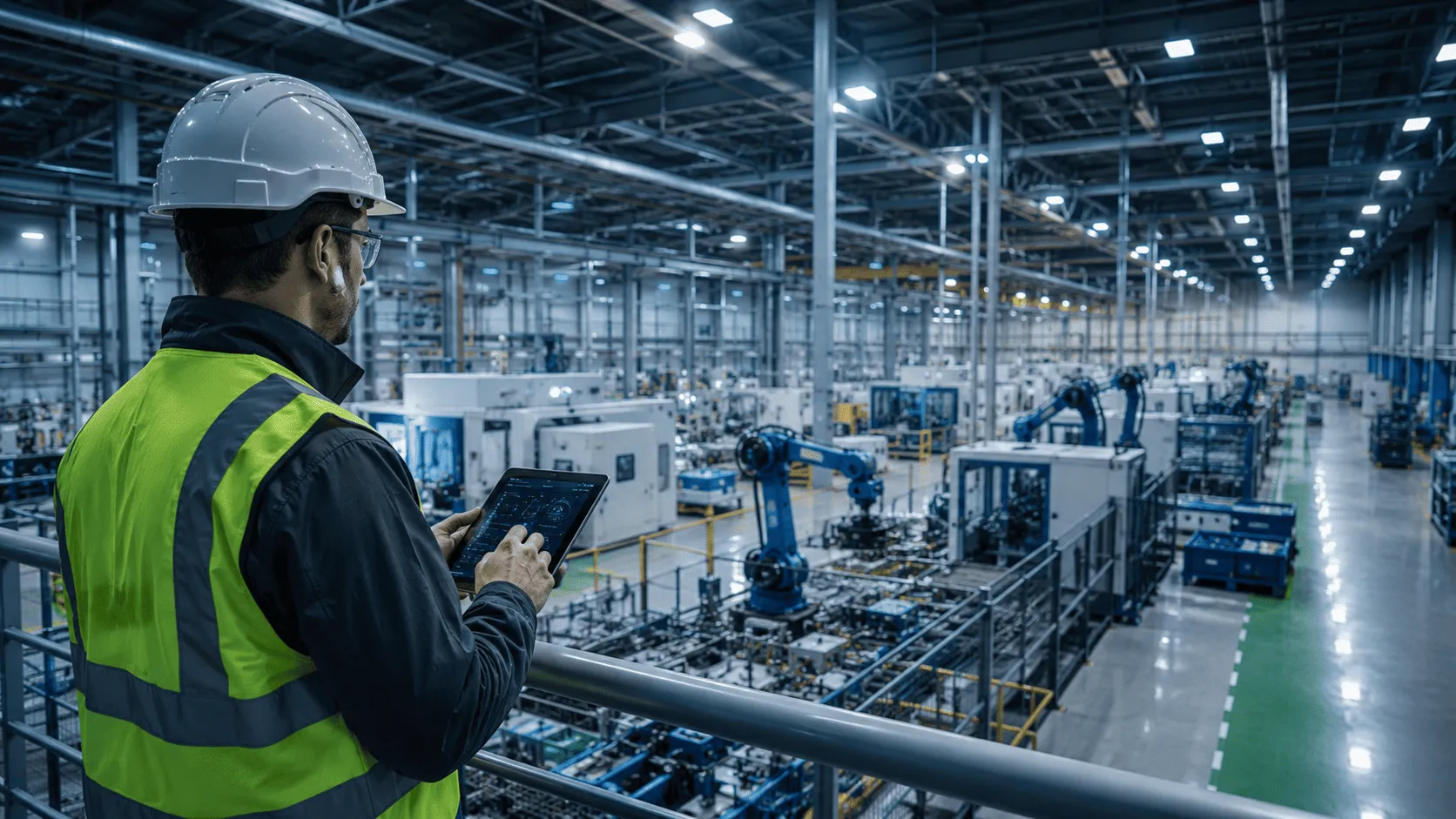
Energy costs represent a significant portion of operating expenses in factories and large industrial facilities. Rising energy prices, sustainability requirements, and increasing competition have made energy efficiency a strategic priority for industrial organizations.
Reducing energy consumption is not only about lowering utility bills. It can also improve equipment performance, extend asset lifespan, enhance operational reliability, and strengthen overall business competitiveness.
Why Is Energy Management Important?
In many industries, electricity, fuel, and thermal energy account for a substantial share of production costs. Even modest reductions in energy consumption can generate significant long-term savings.
The benefits of effective energy management include:
- Lower operating costs
- Improved production efficiency
- Reduced equipment stress
- Better environmental performance
- Increased business competitiveness
As a result, many industrial facilities have adopted energy optimization as part of their long-term operational strategy.
Identifying High-Consumption Areas
Before implementing any energy-saving initiative, it is essential to understand where and how energy is being consumed. Without accurate data, identifying improvement opportunities becomes difficult.
Energy assessments typically focus on:
- Production lines
- Electric motors
- Heating and cooling systems
- Pumping equipment
- Lighting systems
- Auxiliary plant equipment
This analysis helps organizations prioritize areas with the greatest potential for improvement.
The Role of Energy Monitoring Systems
Measuring and monitoring energy usage is one of the most effective ways to improve energy performance. Many sources of energy waste remain hidden without proper monitoring tools.
Energy monitoring systems help organizations:
- Identify consumption patterns
- Detect energy-intensive equipment
- Discover operational inefficiencies
- Support data-driven decision-making
These insights provide the foundation for successful energy optimization programs.
Optimizing Industrial Equipment
A large portion of industrial energy consumption is directly related to equipment performance. Aging or inefficient equipment often consumes more energy than necessary.
Common optimization measures include:
- Upgrading outdated equipment
- Using high-efficiency motors
- Improving pumping systems
- Optimizing HVAC operations
These improvements can reduce energy consumption without negatively affecting production capacity.
Automation and Smart Energy Control
Industrial automation is not limited to process control. It also plays a major role in managing energy consumption across industrial operations.
Benefits of automation include:
- Automatic equipment control
- Reduction of unnecessary energy use
- Process optimization
- Lower dependence on manual intervention
In many facilities, automation systems are key tools for improving energy efficiency.
Energy Recovery and Resource Utilization
Many industrial processes generate heat or other forms of energy that can be recovered and reused. Capturing this energy can significantly improve overall efficiency.
Common examples include:
- Waste heat recovery
- Steam reuse systems
- Combined heat and power applications
These approaches are particularly valuable in energy-intensive industries.
The Importance of Energy-Efficient Equipment
Equipment selection has a long-term impact on energy costs. Choosing energy-efficient technologies from the beginning can provide significant operational benefits throughout the lifecycle of a facility.
Important evaluation criteria include:
- Energy efficiency
- Operating costs
- Monitoring and control capabilities
- Maintenance requirements
- Expected service life
In many cases, a higher initial investment can lead to substantial long-term savings.
Sustainable Energy Solutions for Industry
Many manufacturers are combining energy efficiency initiatives with sustainable energy solutions. This approach helps reduce dependence on traditional energy sources while supporting long-term cost management and environmental objectives.
Integrating energy optimization with modern technologies is becoming an increasingly important part of industrial development strategies.
Building an Effective Energy Reduction Program
Successful energy optimization requires a structured and data-driven approach. Simply replacing equipment is rarely enough to achieve lasting results.
An effective energy reduction program typically includes:
- Evaluating current energy consumption
- Identifying improvement opportunities
- Selecting appropriate solutions
- Implementing projects in phases
- Monitoring results and refining strategies
This process helps organizations achieve sustainable improvements in energy performance.
Frequently Asked Questions
Why is reducing energy consumption important for industrial facilities?
Because it lowers operating costs, improves efficiency, and enhances long-term competitiveness.
What is the first step in improving energy efficiency?
Identifying high-consumption areas and analyzing current energy usage patterns.
How do energy monitoring systems help?
They provide visibility into energy consumption, identify inefficiencies, and support informed decision-making.
Can automation reduce energy consumption?
Yes. Automation systems help optimize equipment operation and eliminate unnecessary energy use.
What is energy recovery?
Energy recovery is the process of capturing and reusing energy that would otherwise be wasted during industrial operations.